
Nurturing Mental Health Through Movement in the Perinatal Period
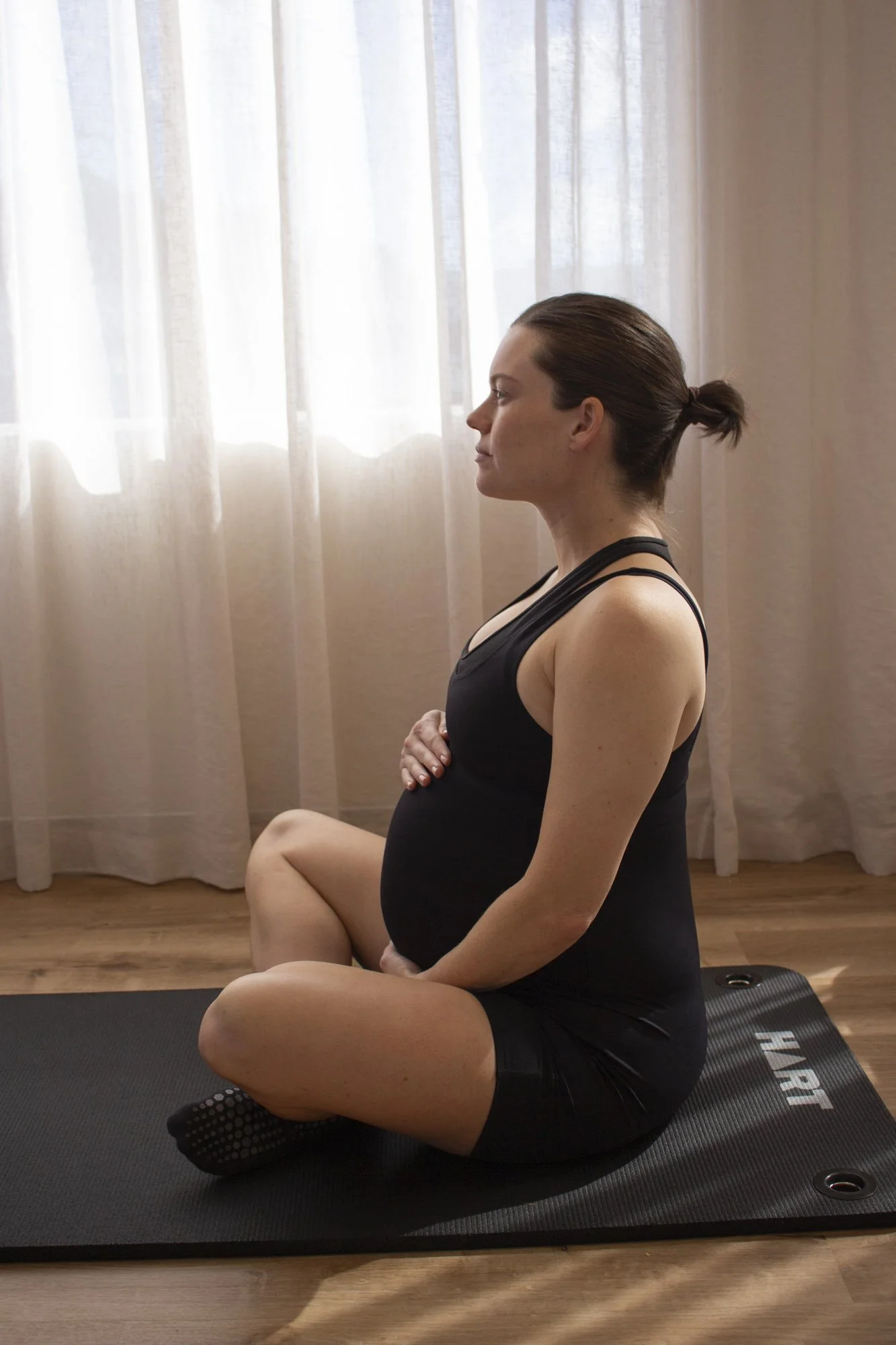
This Perinatal Mental Health Week (23rd – 29th November) we want to emphasise the importance of movement during the Perinatal journey. Pregnancy and the postpartum period are times of incredible change - physically, emotionally, and mentally. Alongside the joy and excitement, many parents’ experience anxiety, low mood, or even symptoms of depression. Supporting your mental health during this period is just as important as caring for your body and your baby, and movement can play a powerful role.
The transition into parenthood can be tough
1 in 5 new mums and 1 in 10 new dads experience perinatal depression and anxiety. That's around 100,000 Australian parents each year.
How Movement Supports Mental Health
Encouraging community and connection
Many people feel isolated during pregnancy and postpartum. Movement spaces provide:
Supportive, judgement-free connection
A space to share what’s going on
A sense of belonging to a community that understands
The reassurance that you’re not going through this alone
Creating a sense of capability and control
The perinatal period can feel like everything is out of your control - your body, your feelings, your routine, your energy, your time. Intentional movement offers:
A predictable anchor point in your day
A sense of mastery (“I can do this”)
Strength work in particular can help build both physical and emotional capacity - supporting the feeling of “I am capable” in and out of the studio.
Movement Supports Hormonal Balance, Mood & Emotional Stability
Movement increases the production of endorphins and serotonin - chemicals that support mood, reduce anxiety, and create a sense of wellbeing. It also helps with:
Reducing symptoms of perinatal depression and anxiety
Evening out mood fluctuations
Improving emotional resilience
Reducing irritability or overwhelm
Even 10–15 minutes of moving your body with intention can shift your entire emotional state.
Reconnecting you with your body
Pregnancy and postpartum involve massive bodily changes. It’s common to feel disconnected, foreign in your own skin, or unsure of what you’re feeling physically. Movement can rebuild:
Body Awareness
Trust
Confidence
A sense of safety within your body
Regulating Your Nervous System
The perinatal period can feel overwhelming - your body is changing, your routine shifts constantly, and your nervous system is working overtime. Movement can help:
Lower stress hormones
Shift your body out of “fight or flight” and into a calmer state
Create a sense of grounding when everything else feels chaotic
Movement During Pregnancy
The focus of movement during pregnancy isn’t to “stay fit”- it’s to stay connected. Some days you might crave slow, grounding movement. Other days you might feel energised and ready to build strength. Both are valid. Both are enough.
Movement Postpartum
Postpartum is a rebuild - physically, mentally, and emotionally. This is not the time to “push through.” It’s a time to rebuild with intention and support. There’s emphasis on reconnecting with your breath, core and pelvic floor, and moving at a pace that supports healing, sleep, and energy levels.
Perinatal mental health is complex, and movement isn’t a magic fix - but it is a powerful companion. It helps you feel clearer, calmer, more capable, and more connected to yourself when everything else feels like it’s in motion.
If you’re in the thick of this season, please remember:
You’re not alone. What you’re feeling is valid. Your wellbeing matters deeply.
And movement can be a soft, steady support beneath your feet as you navigate it all.
We want to help you to get moving
If you’re pregnant or postpartum and unsure where to start with movement, we’d love to guide you. Our Clinical Pilates, Reformer Pilates, Strength and Exercise Physiology sessions are tailored to your body, and your needs. Book a Free 15 Minute Discovery Call to find the best option for you.