
Maya’s Story: Living with Endometriosis
“I thought this was just what it meant to be a woman”
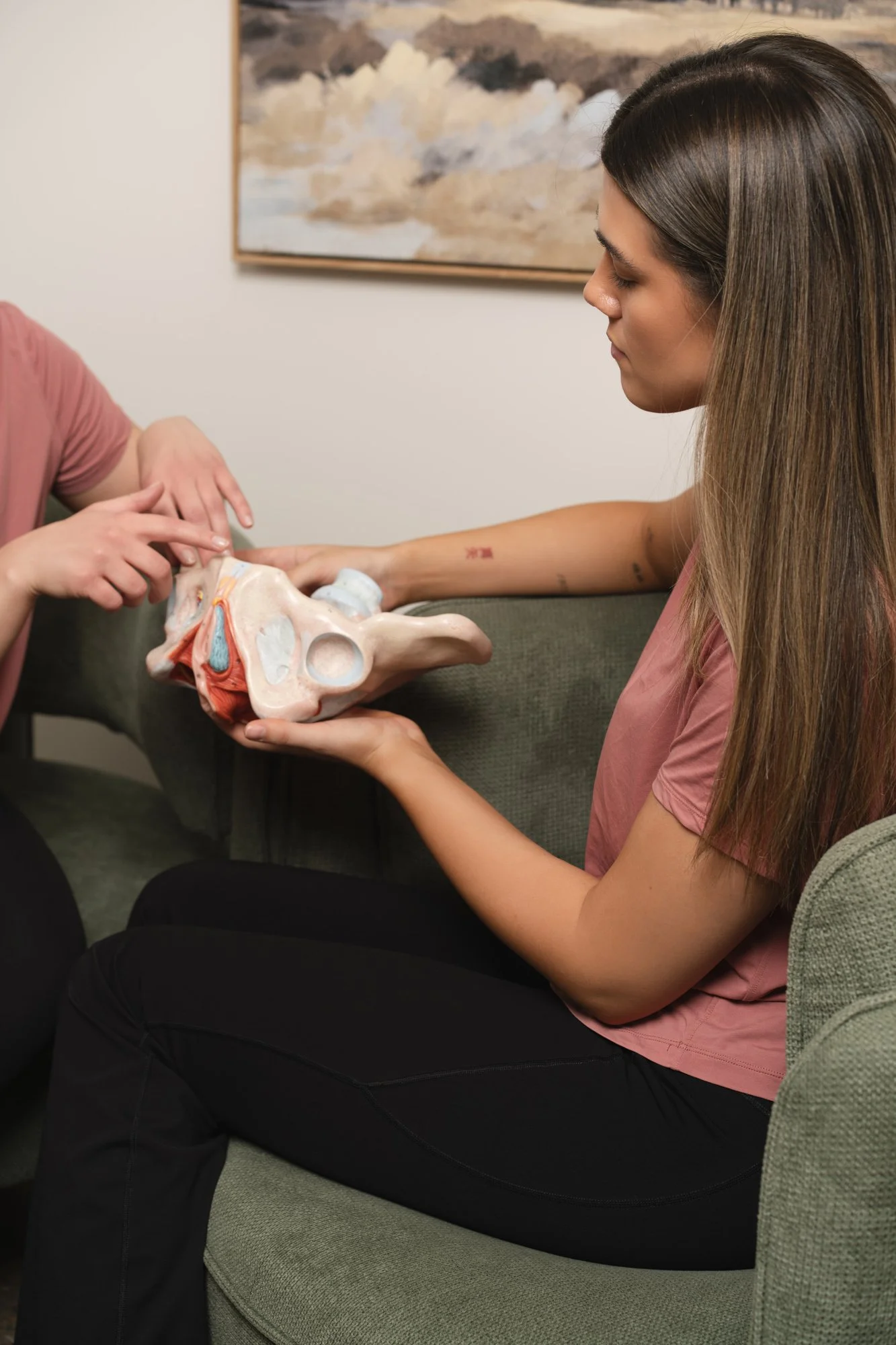
My name is Maya, and I’m an exercise physiologist at any.BODY Studio. My journey with endometriosis and adenomyosis has shaped not only my health, but my career and passion for women’s wellbeing.
Realising Something Wasn’t Right
Curled up in the nurse’s office from excruciating pain. Month after month, like clockwork, I’d call my parents to pick me up from school or my part-time jobs. On my first day of university, I fainted from the pain.
This is when I realised, deep down, something wasn’t right, I just didn’t have the language for it yet.
Getting Help
When I first reached out for help, I was told my pain was normal. That painful periods were simply part of being a woman. The advice was consistent: take Panadol, take Ibuprofen, and push through. There was never any suggestion that it could be something more. No one spoke about underlying conditions. No one suggested further investigation. It was framed as something I just had to tolerate.
When you’re told repeatedly that your experience is normal, you begin to question yourself. I started to wonder if maybe I just had a low pain tolerance. Maybe I was being dramatic. Maybe everyone else was coping better than I was, and I just wasn’t strong enough. That kind of self-doubt is incredibly consuming. It makes you second-guess your own body.
What “Normal” Looked Like for Me
For me, “normal period pain” meant missing school and work every single month. It meant vomiting or feeling faint from the intensity of the cramps. It meant being unable to stand upright. It meant planning my schedule around my cycle and living with anxiety about when the next one would come.
Looking back, none of that was normal. But at the time, I genuinely believed it was something I just had to endure.
The dismissal was often subtle but persistent. Being told this was simply what it meant to “be a woman.” There’s something deeply disheartening about having your pain reduced to a rite of passage. That kind of minimisation lingers, teaching you to downplay your own suffering.
Endometriosis didn’t just affect a few days each month, it began to shape my entire life. I structured everything around my symptoms. I cancelled plans, missed opportunities, and learned to anticipate flare-ups before they arrived.
Fatigue became constant. Pain was unpredictable. It wasn’t only physically exhausting, it was mentally draining to always be bracing for the next wave.
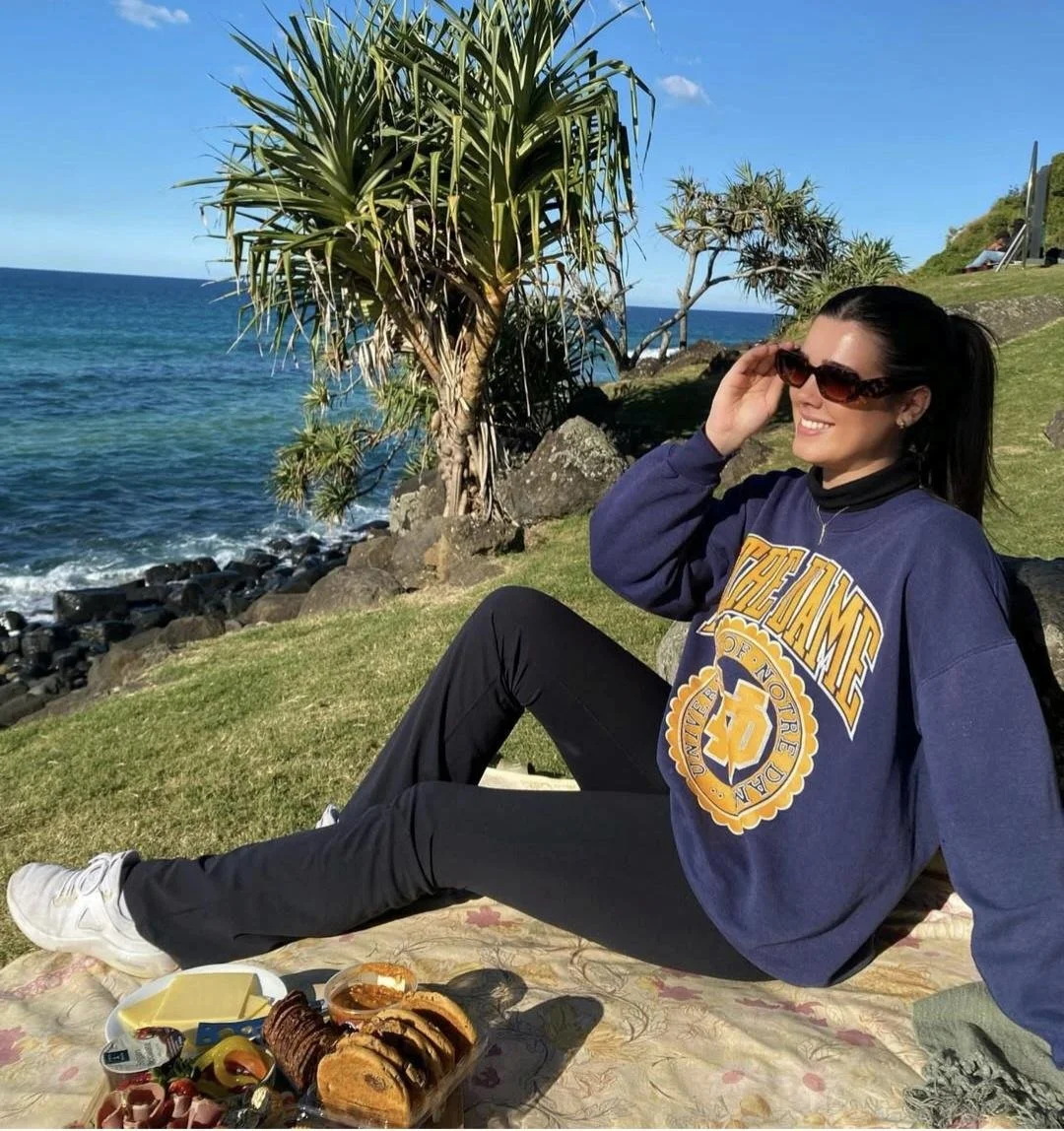
My Relationship with My Body and Movement
For a long time, it changed how I felt about my body. I felt frustrated with it. I didn’t trust it. It felt like it was working against me rather than with me.
But after finally receiving a diagnosis and undergoing surgery at 18, confirming endometriosis, adenomyosis and ovarian cysts, something shifted. Having an explanation allowed me to replace blame with understanding. I could move from anger and confusion toward compassion and growth.
Movement, too, became complicated. There were times where I pushed through pain because I believed that’s what resilience looked like. And there were other times where I avoided exercise entirely, worried I might make things worse.
Over time, as I learned more both personally and professionally, my perspective changed. I began to see movement not as punishment or pressure, but as support, something that could be adapted to meet me where I was. Something that could work with my body, not against it.
That shift didn’t just transform my relationship with exercise. It shaped my career and deepened my commitment to women’s health.
Why This Matters
I was fortunate to have family support and found healthcare professionals who encouraged further investigation and guidance.
However, many women wait years, sometimes decades, due to financial barriers, limited access to specialists, or being repeatedly dismissed.
What I’ve learned is this:
Awareness is important. But connection, support, and access to proper care matter just as much.
Knowing you’re not alone can change everything.
If sharing my story helps even one-woman question whether her pain is truly “normal,” then it’s worth it.
Speak to an Exercise Physiologist that cares
Book in with Maya for an Initial Exercise Physiology Appointment