Expert support for complex bodies, symptoms and life stages.
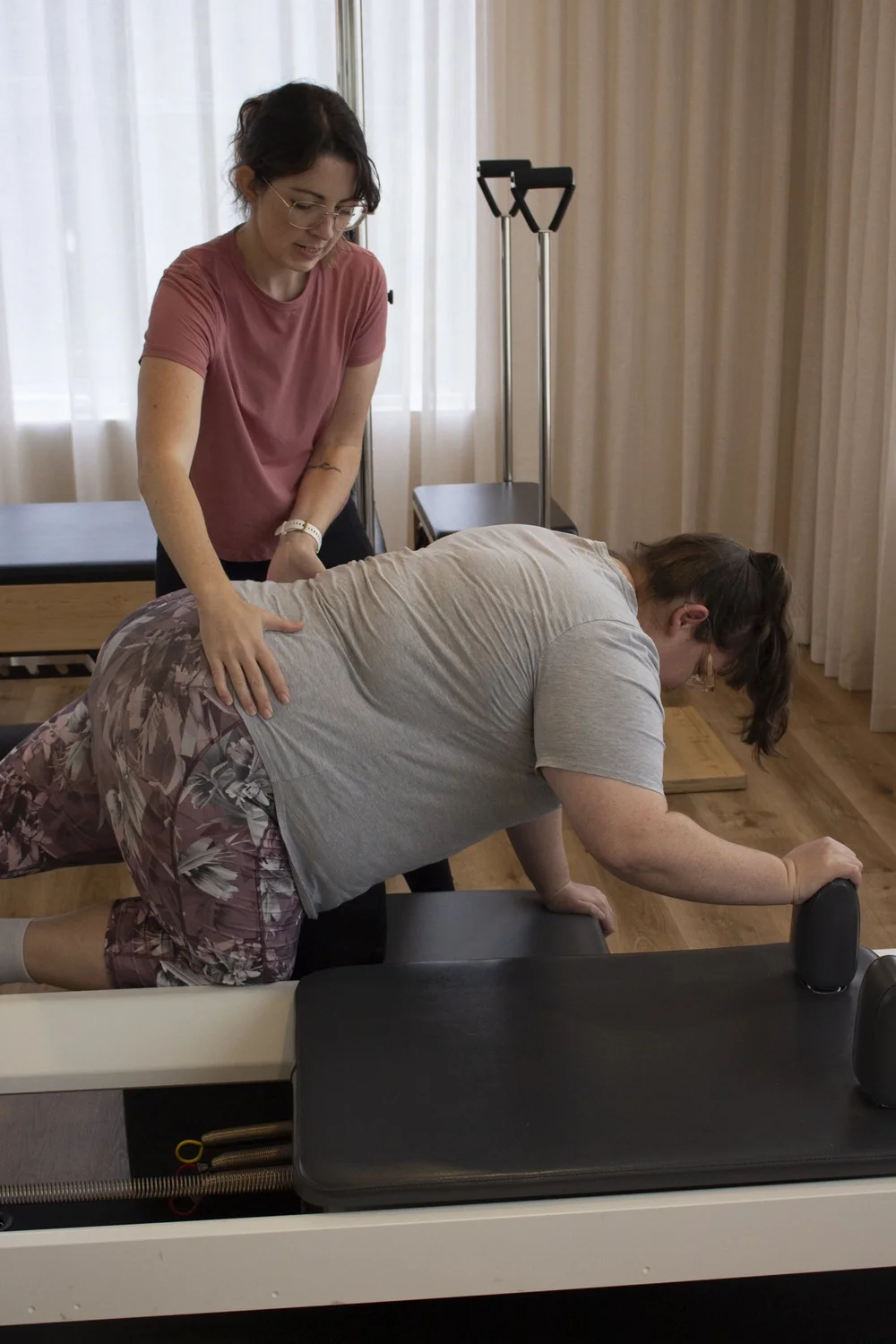
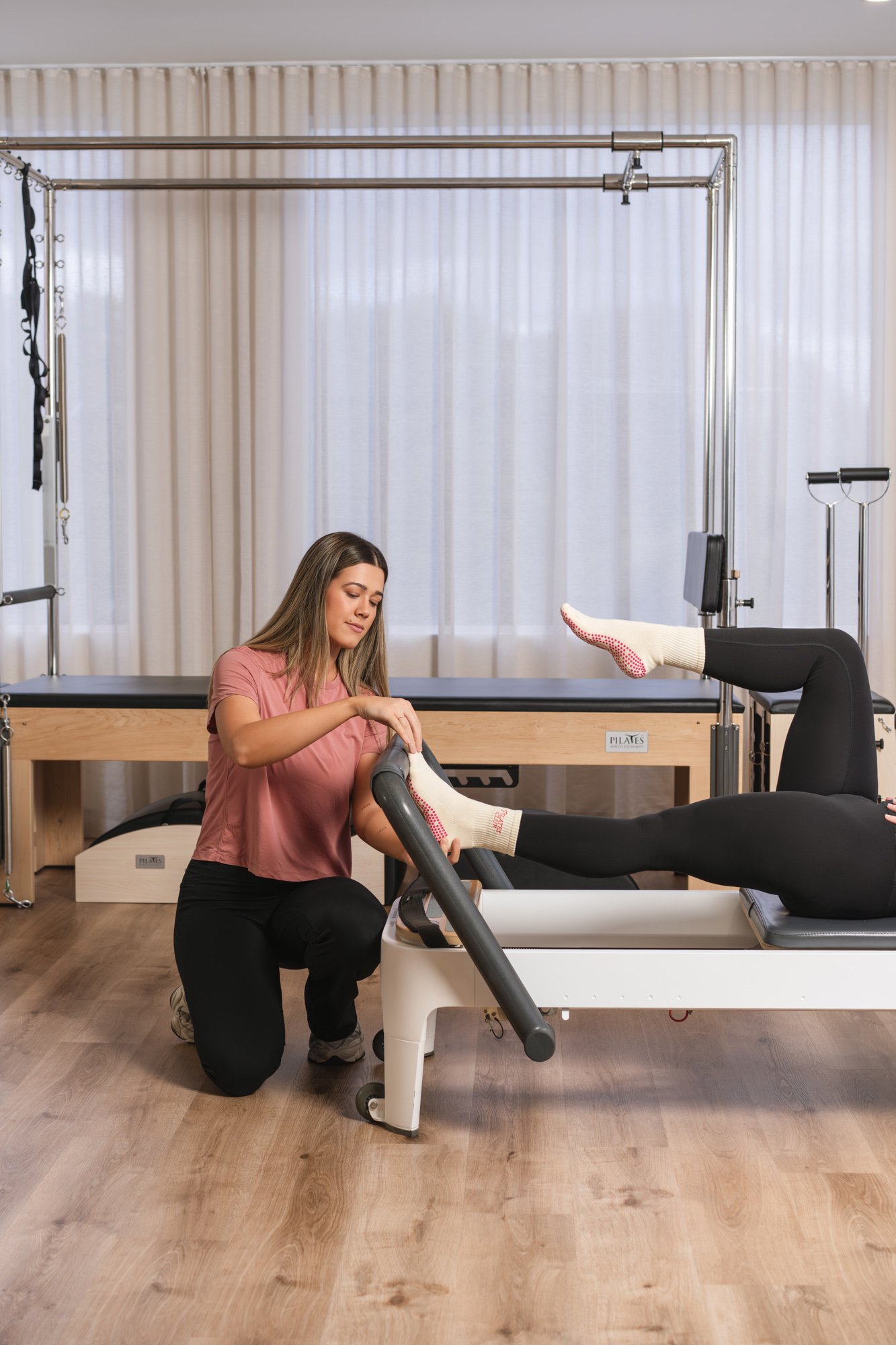
Many of our clients are not coming to us because they want a generic workout. They are navigating pain, hypermobility, fatigue, hormonal shifts, chronic symptoms, injury history, or a body that has not felt well supported in traditional fitness spaces. Our Accredited Exercise Physiologists provide clinically informed movement support that is thoughtful, progressive and individualised.
Clinical support that goes beyond generic exercise advice.
Our team supports women and adults who often need more nuance than “just get moving.” We work within an exercise physiology model that helps bridge the gap between symptom management, strength building and long-term function.
Specialist support across the areas we see most often.
The categories below are not rigid boxes. Many clients sit across more than one area, which is exactly why a clinically guided approach matters.
Women’s Health
Hormonal + pelvic healthSupport for women navigating movement through hormonal change, symptom flare-ups, postpartum recovery, pelvic concerns and changing capacity across life stages.
- Perimenopause + menopause
- Endometriosis + adenomyosis
- PCOS
- Pregnancy + postpartum recovery
Hypermobility + EDS
Stability + symptom-aware strengthWe support clients with hypermobility spectrum disorders and Ehlers-Danlos presentations who need better load tolerance, more body awareness and a steadier path into strength.
- HSD + hEDS
- Joint instability
- Frequent flare-ups or setbacks
- Low confidence with exercise
Invisible Illness + Fatigue
Pacing + capacity buildingFor clients living with fatigue, autonomic dysfunction, post-viral symptoms or other invisible conditions where energy, recovery and symptom load need to be considered carefully.
- POTS + dysautonomia
- Long COVID
- ME/CFS + chronic fatigue presentations
- Fibromyalgia + symptom variability
Pain + Musculoskeletal Conditions
Clinical movement supportWe help clients build confidence and function through pain, injury history, recurring niggles or more persistent musculoskeletal issues that need a thoughtful, progressive approach.
- Persistent pain
- Neck, shoulder, hip and back pain
- Osteopenia + osteoporosis
- Injury rehab + strength rebuilds
Size-Inclusive Support
Weight-inclusive careMovement support for people wanting to build strength, capacity and confidence in a more inclusive environment — without shame, pressure or having their body reduced to a problem to solve.
- More supportive entry points into exercise
- Comfort with modifications and setup
- Reduced intimidation in movement spaces
- Strength in a more respectful environment
Where this overlaps
Complexity mattersMany of the clients we support sit across several categories at once — for example hypermobility with POTS, endometriosis with persistent pain, or menopause with fatigue and bone health concerns.
A broader picture of what we see in practice.
This is not an exhaustive list, but it gives a clearer sense of the presentations and clinical areas we commonly support through exercise physiology, clinical Pilates and strength-based rehabilitation.
Women’s health + hormonal health
- Perimenopause
- Menopause
- PCOS
- Endometriosis
- Adenomyosis
- Pelvic floor symptoms
- Pregnancy + postpartum recovery
Connective tissue + autonomic conditions
- Hypermobility Spectrum Disorder
- Ehlers-Danlos Syndrome
- POTS
- Dysautonomia
- Joint instability
- Poor load tolerance
Invisible illness + fatigue
- Long COVID
- ME/CFS presentations
- Chronic fatigue
- Fibromyalgia
- MCAS presentations
- Fluctuating capacity and symptom load
Pain + musculoskeletal concerns
- Persistent pain
- Back pain
- Neck pain
- Hip pain
- Shoulder pain
- Post-injury rehabilitation
Bone health + ageing well
- Osteopenia
- Osteoporosis
- Falls prevention
- Strength for over 60s
- Balance and confidence
When the picture is layered
- Multiple diagnoses
- Repeated flare-ups
- Exercise fear or uncertainty
- Low confidence in gyms
- Symptoms not fitting neatly into one box
Because “just exercise” is often not enough guidance.
Many clients arrive feeling unsure where to start, worried they will flare up, or frustrated that previous advice has been too vague, too generic or too disconnected from what their body is actually doing.
- They have been told exercise will help, but not how to do it safely
- They feel dismissed or misunderstood in traditional fitness spaces
- They need pacing, progression and symptom awareness built into the plan
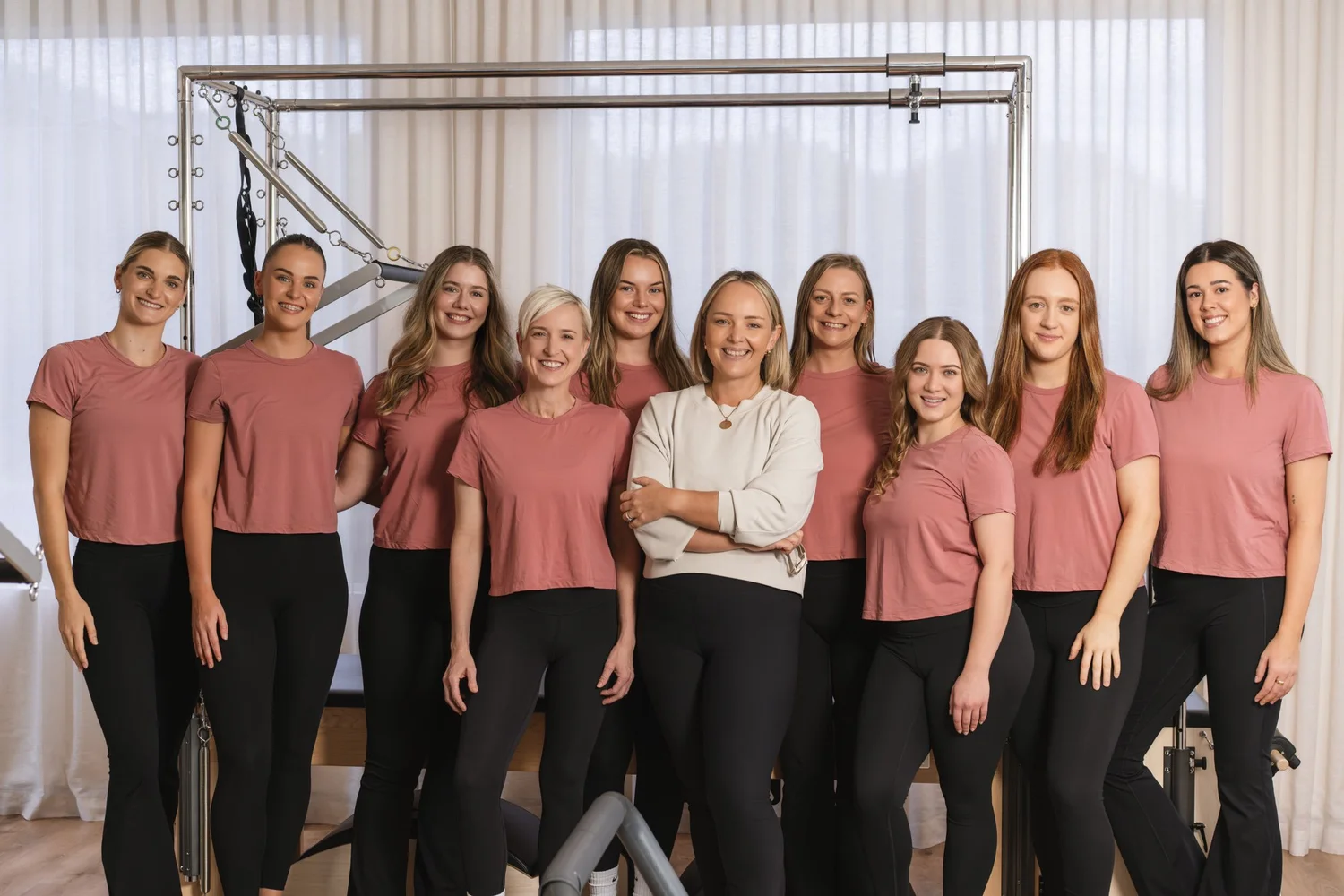
- They want a team who understands complexity, not just motivation
More than one way to begin.
Depending on your symptoms, history and confidence level, we can help guide you into the most appropriate starting point rather than assuming one pathway suits everyone.
- Initial consultations to understand your body, goals and best next step
- 1:1 exercise physiology for more individualised clinical support
- Clinical Pilates for lower-capacity or more supported movement entry points
- Small-group strength for more guided strength progression
- Reformer options for supportive, structured movement in a small-group setting
- Telehealth support where appropriate
Not sure where to start
Let us guide you into the right starting point
Book an initial consultation with one of our Accredited Exercise Physiologists and we’ll help guide you toward the most appropriate support for your body, symptoms and goals.
Book your initial consultation