
Weight loss is simple. Weight Management Isn't.
Weight Loss Is Simple Physiology. Weight Management Isn't.
An honest look at what actually drives weight change — and where any.BODY's new Lifestyle Coaching fits into it.
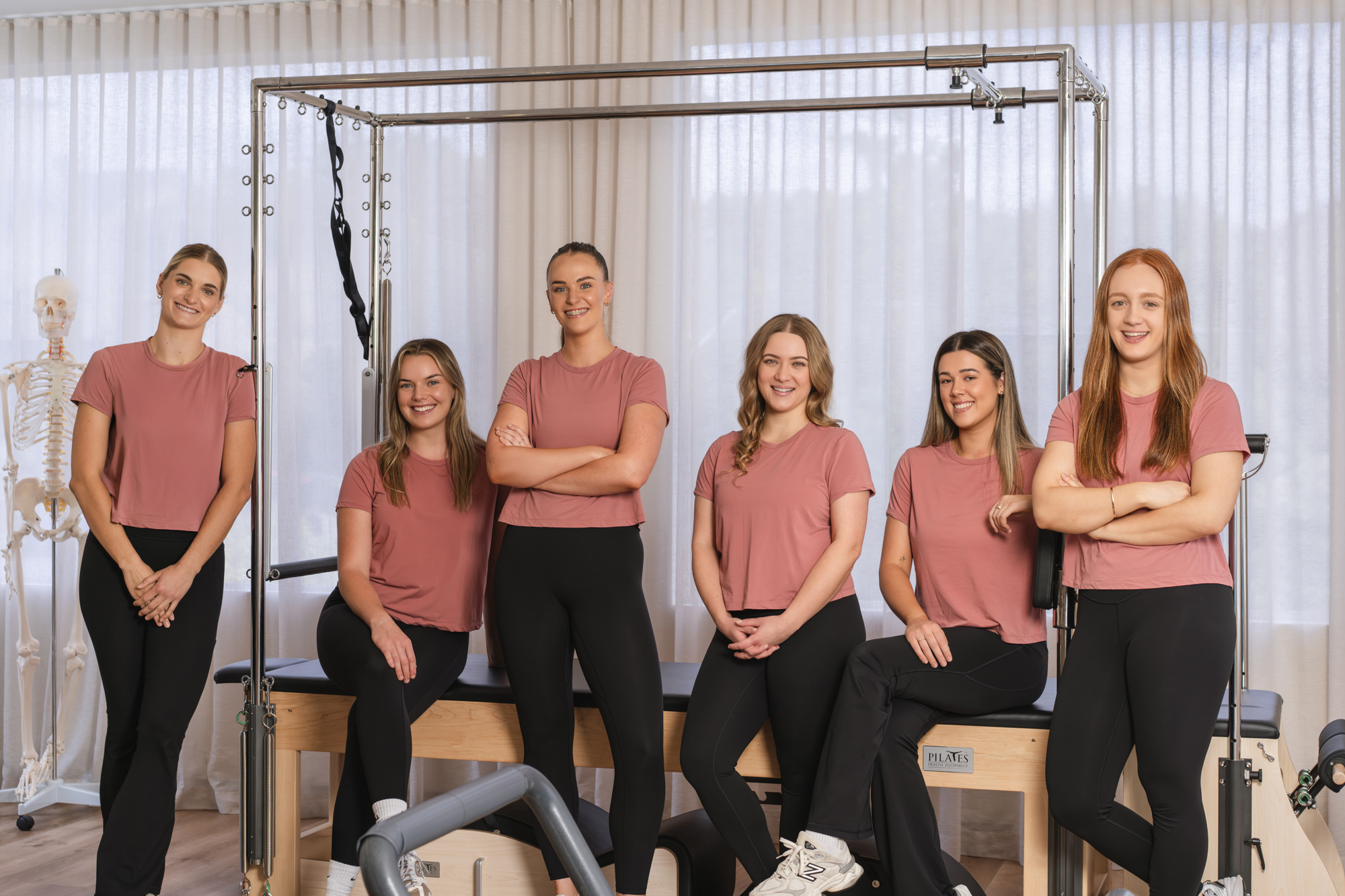
any.BODY is a Health at Every Size (HAES)-aligned studio. We believe movement has value at every body size, and that improving strength, fitness, function and quality of life doesn't require anyone to lose weight to "earn" the benefit.
But we also see plenty of women who walk through our doors wanting to lose weight, and who ask us directly how exercise and movement can help them do that. We're not going to sidestep that conversation just because we're weight-inclusive. We're also not going to answer it with another restrictive plan, or the tired old "eat less, move more."
Our approach is education. We want women to actually understand what weight loss is physiologically, what causes weight gain, what an energy deficit really means, what determines how much energy the body uses, what shapes how much energy someone eats, and why weight management can feel so much easier for some people than others. We want to be honest about where movement, strength, pain management, fitness, fuelling and everyday habits genuinely fit into the picture — and where they don't.
So, let's start with the basics.
What actually causes weight loss or weight gain?
Our bodies need energy every single day. We need it to breathe, pump blood, regulate temperature, think, digest food, move, work, exercise and recover. We get that energy from the food and drinks we consume.
The body can use energy right now, store it for later, or draw on energy it stored previously. Body fat is one of the ways our bodies store energy for later use.
Weight gain happens when we consistently take in more energy than our body uses. There's a surplus, and the body stores what's left over. This is called an energy surplus.
Weight loss happens when we consistently use more energy than we take in. The body has to draw on its stored energy to make up the difference. This is called an energy deficit.
The relationship between energy in and energy out is called energy balance, and that relationship is the entire physiological mechanism behind weight change. Genuinely — that's it. That's the whole equation.
If the physiology is that simple, why isn't weight loss simple?
On paper, that sounds pretty simple. So why doesn't it feel simple?
Because neither side of the equation is fixed. The requirement for weight loss is simple — an energy deficit, sustained over time. But what actually determines how much energy someone uses, and how much energy someone takes in, is a lot more complicated than "calories in, calories out" suggests. That gap — between a simple mechanism and a complicated lived experience — is where this whole article lives.
Energy out is much more than exercise
When most of us think about "burning calories," we think about exercise. But structured exercise is only one part of how much energy your body uses across a day. Total daily energy expenditure is really made up of several components stacked on top of each other.
Resting energy expenditure (sometimes called BMR or RMR) is the energy your body needs just to keep you alive — to keep your heart beating, your lungs working, your organs functioning, even while you're doing nothing at all. For most people, this is the single biggest chunk of daily energy use. It's shaped by things like body size, muscle mass, age, sex and individual physiology, and it varies meaningfully from person to person.
Digestion also costs energy. Your body uses some energy just to digest, absorb and process the food you eat — this is known as the thermic effect of food. It's a smaller piece of the puzzle, but it's real.
Structured exercise — your Pilates class, your gym session, your run, your swim — is important for health in ways that go well beyond calories. But it's genuinely only one part of your day.
And then there's the piece that gets talked about the least, and matters more than most people expect: NEAT, or Non-Exercise Activity Thermogenesis. This is all the energy you use through everyday movement that isn't deliberate exercise — walking around the house, standing at the kitchen bench, moving around at work, walking to the shops, taking the stairs, doing the housework, gardening, running errands, even fidgeting. None of it feels like "exercise," but it adds up.
Here's the thing worth sitting with: someone can train three times a week and still have a fairly low overall daily movement pattern.
There are 168 hours in a week. This isn't a case for filling the rest with activity — plenty of that time is sleep, rest and recovery. It's simply why what happens outside the workout matters too.
We want to be really clear about what this does not mean. It doesn't mean your workouts don't matter, and it doesn't mean you should be "active" for all the remaining hours — rest matters too. What it does mean is that structured exercise, while genuinely important for health, is only one piece of a much bigger picture.
What can actually change energy expenditure?
This is where Exercise Physiology becomes genuinely relevant to weight management — not because we're selling harder workouts, but because several of the things that shape someone's energy expenditure are things an EP can actually help with.
Pain can quietly shrink someone's whole day. It can reduce how much someone walks, stands, exercises, and moves without thinking about it — and it can knock their confidence in moving at all. Helping someone manage pain well doesn't just make training more comfortable; it can help them become more active across the rest of their day too.
Strength and physical capacity matter here, but not for the reason people usually assume. We're not going to tell you that building muscle torches huge amounts of extra calories — the effect on resting metabolism is real but modest. What matters more, from an Exercise Physiology point of view, is capacity. A stronger person often finds walking easier, stairs easier, standing easier, carrying the shopping easier, and their workouts themselves easier to recover from. When daily tasks require less effort, it tends to be easier to accumulate movement across an ordinary day.
Fitness works the same way — improving your aerobic fitness can make everyday movement feel less demanding, which tends to make you do more of it without thinking about it.
Fatigue cuts the other way. Someone who's genuinely exhausted moves less — less exercise, less walking, less standing, more time resting, and a quiet, often unconscious drop in all the small movements that make up NEAT.
Fuelling matters too. Someone who's significantly under-fuelled often has less energy for training, for recovery, and for moving through their day. We're not saying eating more automatically leads to weight loss — that's not how this works. We're saying the two sides of the energy equation aren't separate; they influence each other.
And very hard exercise deserves an honest word. Harder isn't automatically better. If a brutal session leaves someone flattened and largely sedentary for the rest of the day, that's worth thinking about as part of the whole picture — not because intense training is "bad," but because exercise needs to be matched to someone's actual capacity and recovery, not just their tolerance for suffering through it.
Energy in isn't just willpower
Now the other side of the equation. How much energy someone actually consumes isn't purely a matter of self-control — it's shaped by hunger, appetite, food preferences, portion sizes, food availability, habits, sleep, stress, social occasions, alcohol, medications, exercise, past dieting history, environment, work, family life, finances and plain convenience.
We're not saying this to hand anyone an excuse. We're saying it because it's true: energy intake is a behaviour that happens inside a biological and environmental system, not in a vacuum. Poor sleep can shift hunger and food choices. Very restrictive dieting tends to increase hunger and make an approach harder to sustain over time. A demanding training block can change appetite. Social life shapes how and what we eat, often without us noticing.
None of this changes the underlying equation. What changes is how easy or hard it is for someone to actually influence it day to day.
Some factors sit on both sides at once
Here's where it gets genuinely interesting — and where a lot of generic weight-loss advice quietly falls apart. These categories don't sit neatly in separate boxes. Things interact.
Pain can reduce movement. Fatigue can reduce movement and change eating behaviour. Poor sleep can affect fatigue, movement, hunger and appetite, more or less all at once. Exercise increases energy expenditure, but it can also influence appetite and fatigue. Restriction reduces energy intake in the short term, but can also affect hunger, energy levels and spontaneous movement. Getting stronger and fitter can increase someone's overall capacity to move. Menopause and ageing can shift muscle mass, sleep, symptoms, recovery and body composition together. Medications and health conditions can influence appetite, fatigue, movement or physiology, depending on the person. Environment shapes the opportunities available for both food and movement.
This tangle of interactions is a major reason weight management is so much more complicated than the basic equation makes it sound.
This is what makes weight management genuinely harder to navigate than a single equation — several systems shift at once, and they interact.
medications · health
menopause · environment
Why two people can have completely different experiences
Two women can both understand, perfectly well, that weight loss requires an energy deficit. That doesn't mean the path looks the same for both of them.
Person A
- Physically active job
- Sleeps well
- Good strength
- Little pain
- Predictable meals
- Plenty of time to train
Person B
- Desk job, sits all day
- Chronic pain
- Sleeps poorly
- Perimenopausal
- Caring responsibilities
- Years of dieting history
The underlying physiology is identical for both of them. Their starting point and their barriers are not.
Energy balance explains the mechanism of weight loss. It does not determine how easy or difficult it will be for an individual to achieve and sustain it.
That's probably the single most important sentence in this whole article. It's also the reason the same generic advice — the same app, the same meal plan, the same "just move more" — lands completely differently on two different people, even though the physiology hasn't changed at all.
So what do we actually do differently?
This is why our starting point isn't "eat less and exercise more." Our starting point is understanding. We work from five principles:
We don't need someone to exercise every day, give up the foods they love, hit 10,000 steps, count every calorie, cut out entire food groups, follow a rigid meal plan, or be perfect. Instead, we might explore current movement patterns, sitting time, strength, pain, fitness, fatigue, recovery, fuelling, protein, hunger, calorie literacy, food patterns, non-negotiables, and realistic behaviour changes — together, and specifically for that person. The goal is finding what actually matters for this individual, not running everyone through the same script.
This is about what becomes possible — not a guarantee of weight change. Everyone's path through this looks different.
Introducing any.BODY Lifestyle Coaching
This is why we've built any.BODY Lifestyle Coaching — for women who want real support understanding weight loss and weight management, without being handed another generic, restrictive program.
It starts with an intake questionnaire that explores your goals, your previous experiences, your beliefs about weight management, what you actually want to understand, your movement, exercise, pain and fatigue, your questions around food and fuelling, your non-negotiables, and how you'd prefer to track progress — including how you feel about tracking and numbers at all.
Your Exercise Physiologist uses that information to choose the education that's actually relevant to you — not a full syllabus, just the two or three things that will genuinely move the needle for your situation. In practice, this usually looks like a small number of dedicated consultations with check-ins as needed, and for clients already seeing us for other reasons, this education can simply be woven into the care you're already receiving.
Where something needs individual dietary prescription, detailed meal planning or therapeutic nutrition support, we'll refer you to — or collaborate directly with — an Accredited Practising Dietitian. Weight management sits within our scope as Exercise Physiologists; detailed nutrition prescription doesn't, and we'd rather hand you to the right person than guess.
You don't need to learn everything. You don't need to change everything. You don't need to do everything at once.
Understand your body. Build awareness. Make small sustainable changes. Repeat consistently.
If Lifestyle Coaching sounds like something you'd like to explore, we'd love to have a chat.
Book a free Discovery Call Ask us a question