
A letter to the women who have become experts at adapting to pain
To the women who have learned how to function while hurting — this is for you.
One of the most remarkable things about women is not weakness — it’s adaptation. Every day, we meet women who continue functioning while quietly navigating pain, fatigue, inflammation, hormonal disruption, burnout, or symptoms that have slowly become “normal.” This piece is for the women who have become experts at carrying more than anyone can see.
To the women who keep going anyway
We see you.
We see the women who continue going to work while exhausted. Who still show up for other people while quietly struggling in their own bodies. Who minimise their symptoms because they’ve been told it’s “normal.”
We see the women who have adapted to painful periods, bloating, pelvic pain, migraines, fatigue, interrupted sleep, hormonal shifts, and burnout — while still trying to keep life moving around them.
And perhaps most of all, we see the women who have spent years pushing through symptoms because they didn’t feel like they had permission not to.
Adaptation is not weakness
The body is not failing. It is trying to protect you.
From a clinical perspective, the body is constantly adapting in response to stress, pain, inflammation, fatigue, and hormonal disruption.
The nervous system becomes more protective. Muscles guard. Energy is conserved differently. Movement patterns shift. The body changes in order to cope with ongoing load.
This is not weakness. It is intelligence.
But over time, adaptation can become so familiar that many women stop recognising how much they are carrying at all.
“I thought everyone felt like this”
One of the most common things we hear in clinical practice is:
“I thought everyone felt like this.”
And that sentence stays with us.
Because too many women have learned to tolerate symptoms that deserve support, investigation, and care.
Too many women have become highly functioning inside bodies that are struggling.
And too many have learned to measure the severity of their symptoms not by how they feel — but by whether they can still keep going.
Why visibility matters
Awareness matters because visibility changes outcomes.
The more openly we speak about women’s health, chronic pain, endometriosis, pelvic pain, fatigue, and invisible illness, the more likely women are to feel believed, supported, and empowered to seek help earlier.
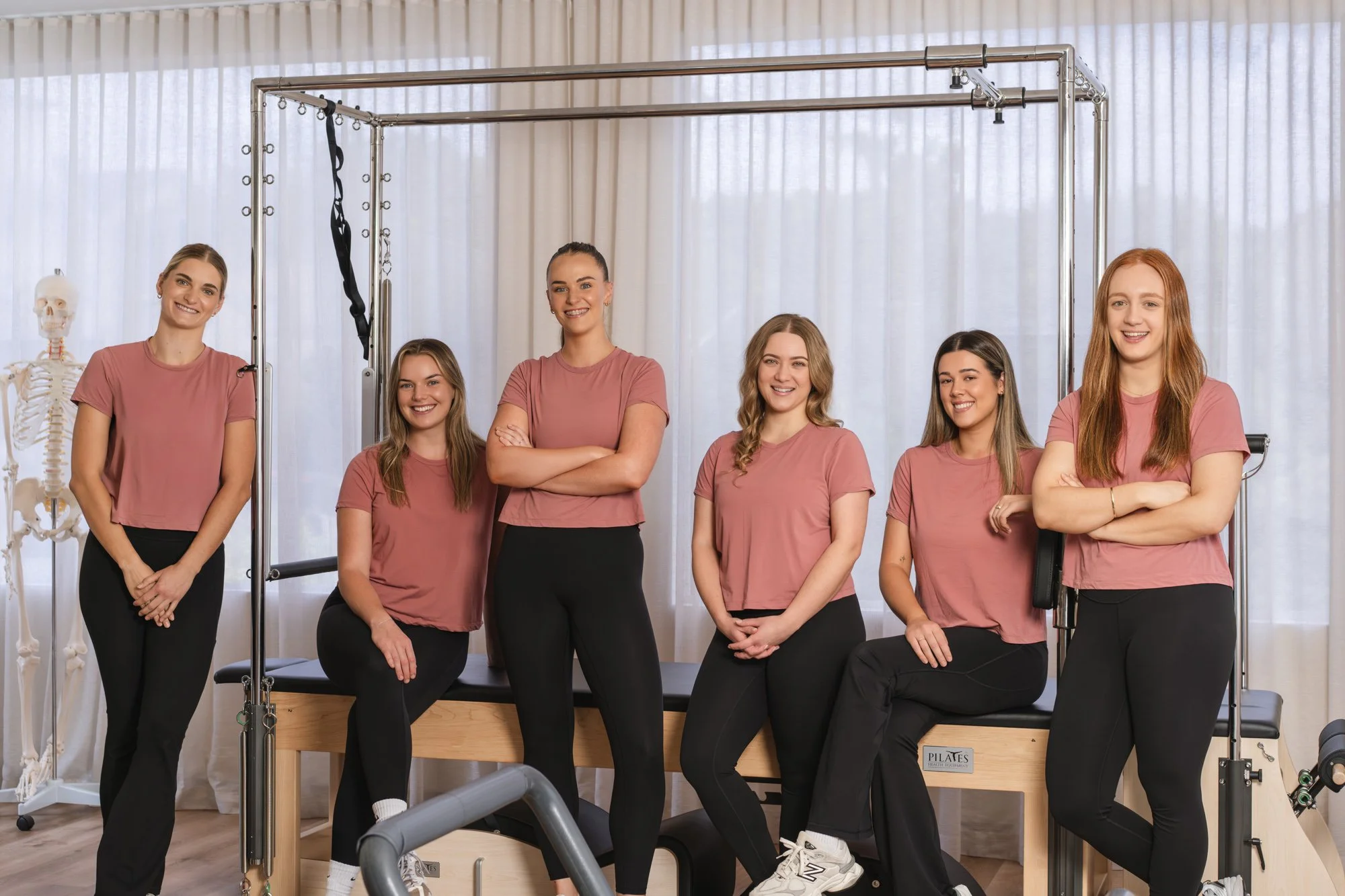
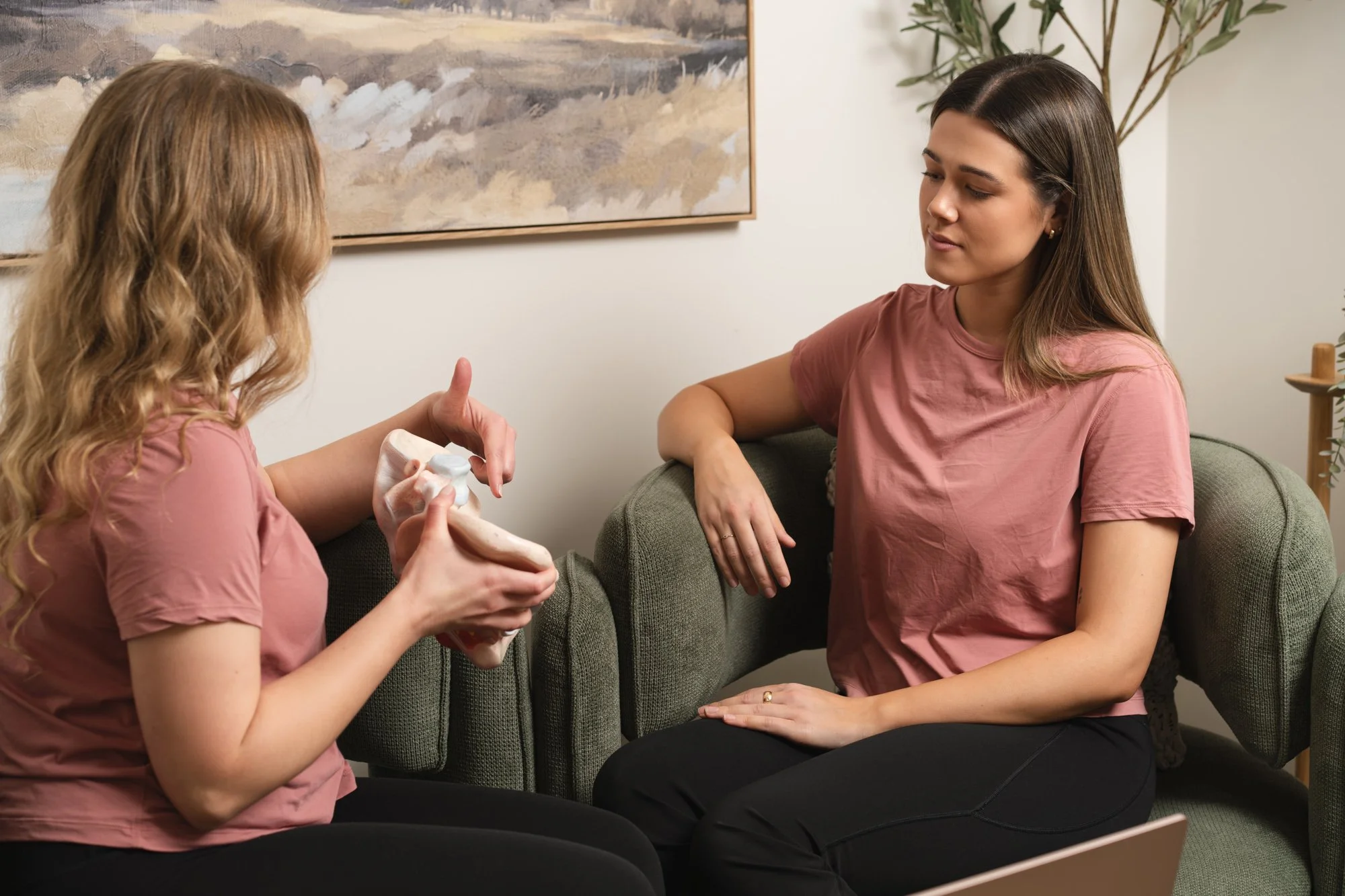
At any.BODY, we believe women deserve healthcare and movement spaces where they feel safe, listened to, and taken seriously.
Because women should not have to become experts at adapting to pain before they are believed.
Walking with Qendo
On June 2nd, the any.BODY team will be participating in the Qendo 5km Walk to help raise awareness and funds for endometriosis and invisible women’s health conditions.
We’re walking for the women who have spent years adapting silently.
And for the future where women’s pain is no longer minimised, dismissed, or normalised.
Support our Qendo Walk
We’ll be walking 5km this June in support of women living with endometriosis and invisible illness. If you’d like to donate, walk alongside us, or support the cause, we’d love to have you involved.
Support the Qendo Walk